People First, Systems Second
Design for work, not for screens.
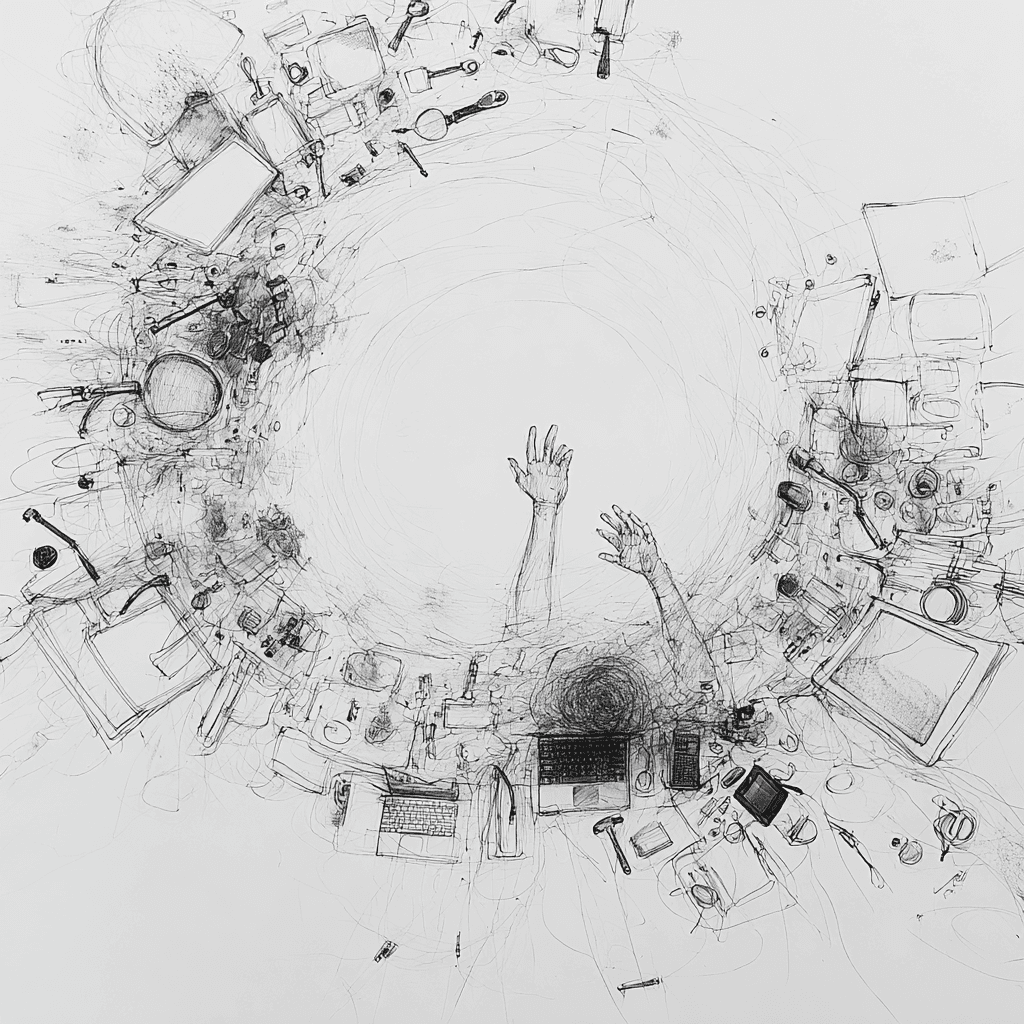
As AI and automation become more embedded in daily operations, the value is shifting away from standalone apps and toward simpler, people-centric workflows. In practice, that means starting with the decision, the task, and the context in which someone works. The question is not whether a new interface looks modern. The question is whether it helps people act faster, with more confidence, and with less friction.
This matters even more in times of constant change. When conditions are unstable, organizations need tools that support clear decisions and adapt without adding complexity. The best solutions are often the least visible: they connect existing systems, surface the right information at the right moment, and fit naturally into current routines. That is where practical AI creates value. Not by replacing people, but by helping them work better in real environments.
As AI and automation become more embedded in daily operations, the value is shifting away from standalone apps and toward simpler, people-centric workflows. In practice, that means starting with the decision, the task, and the context in which someone works. The question is not whether a new interface looks modern. The question is whether it helps people act faster, with more confidence, and with less friction.
This matters even more in times of constant change. When conditions are unstable, organizations need tools that support clear decisions and adapt without adding complexity. The best solutions are often the least visible: they connect existing systems, surface the right information at the right moment, and fit naturally into current routines. That is where practical AI creates value. Not by replacing people, but by helping them work better in real environments.

All rights reserved to Data Raven Technologies