How to Choose an AI Implementation Partner for Electronics Manufacturing
How to Choose an AI Implementation Partner for Electronics Manufacturing
What to check, what to ask, and how to know the solution will reach production

Electronics, semiconductor and PCB manufacturers already know AI can improve yield, catch defects earlier and cut manual work. The hard question comes next: who do you do it with? That choice decides, as much as the technology does, whether the project reaches the production floor or stalls as a pilot. Here is what we have learned on the floor, so you can choose a partner with your eyes open.
Before choosing a partner, look at yourselves
A good partner cannot make up for an unclear goal. Start with a few internal questions. Where are you losing time, quality and money? Who owns the decision the system is meant to support? What does a wrong answer cost? And how will you know it works? We cover these in Before You Launch an AI Initiative in Manufacturing.
Sometimes it is better to wait: when the data is unreliable, when management support exists only on paper, or when there is no budget for support, integration and maintenance as well as for the technology. More on that in The Starting Point for AI in an Organization.
An impressive pilot is not yet a solution
A pilot proves an idea works. A full solution is connected to machines and systems, built into the processes and used by people on the floor every day. The gap between the two is almost always bigger than it looks. Integration, data dependencies, edge cases and exception handling add complexity you cannot see in planning. A partner who talks only about the model and not about the path to production will leave you with a nice demo. See Why 95% of Generative AI Pilots Fail?
What to look for in a partner
Real experience on the production floor. A fab or an SMT line is not a lab. Materials change, equipment wears, and a busy process engineer will not adopt a tool they do not understand. Ask where the partner has worked, and what they did when things did not go to plan.
Works with what you already have. Machine and test equipment data, ERP and MES, quality and engineering systems. A good solution connects to the existing infrastructure rather than replacing it, so the line keeps running during implementation.
Measured by business results. Statistical accuracy is not enough. A model that improves a metric but saves no engineering time has failed as a business tool. So has a model that cuts false calls in automated optical inspection while raising scrap. We look at this in Why Industrial AI Often Misses the Mark.
Clear stages and real decision points. Every initiative needs an agreed baseline, a target, an owner for the metric and a point where you decide to continue or stop. Prototype code should be defined up front as disposable. Deployment moves in stages, up to handover to production with a support period. See how this works in practice in Three AI Capabilities, One Backbone and in our four part implementation guide.
Trust and control. AI recommends, and a person decides. Ask how the partner prevents wrong answers, who approves changes, and whether the knowledge stays yours if you switch models or vendors. We describe simple safeguards in Guardrails for Reliable AI.
People before systems. Technology alone does not change a plant. A good partner works alongside engineers, operations and management, trains people on real tasks and fits the tool to the way they already work. See People First, Systems Second.
Independence at the end. The goal is for your own team to run and maintain the solution. Ask which tools the partner uses and why, and what happens the day they leave.
From Industry 4.0 to Industry 5.0
Industry 4.0 focused on collecting data and automation. Industry 5.0 adds people, sustainability and resilience. In practice that means a staged path. First come transparent predictions that engineers can check and understand. Only once trust is built do you move to systems that act on their own, toward goals people have set. A partner who understands this will not sell you autonomy on day one. More in Building the Future of Manufacturing and Beyond Prediction.
Questions for the first meeting
Bring a few simple questions to the first meeting. Where have you worked in manufacturing, and what did you learn from a project that did not go to plan? How will you connect to the machines and systems we already have? How will we measure success, and who decides whether to continue or stop?
What happens to the prototype when we move to production? Who approves what the system recommends, and how is it recorded? How will you support the people on the floor? And what will we be able to maintain ourselves when you are done? The answers will tell you more than any slide deck.
Where Data Raven Technologies fits
Data Raven Technologies helps manufacturers move to Industry 4.0 and 5.0, from identifying needs to full implementation on the floor, training and building internal capability. The company is led by Isaac Israel, with over 25 years of experience in AI, machine learning, Industry 4.0 and Industry 5.0, including global projects with companies such as KLA and Orbotech. As an official KNIME partner in Israel, we build data and AI workflows your engineering team can run and maintain itself.
If you are just getting started, we would be glad to think it through with you and help you find the right starting point for your plant.
Further reading: AI Implementation in Electronics Manufacturing: Common Questions · The Smart Factory · AI That Earns the Right to Scale
Other articles that may interest you

AI Implementation in Electronics Manufacturing: Common Questions
Short answers for electronics, semiconductor and PCB manufacturers

Three AI Capabilities, One Backbone
Case study: a multi-stream AI program for a global industrial manufacturer
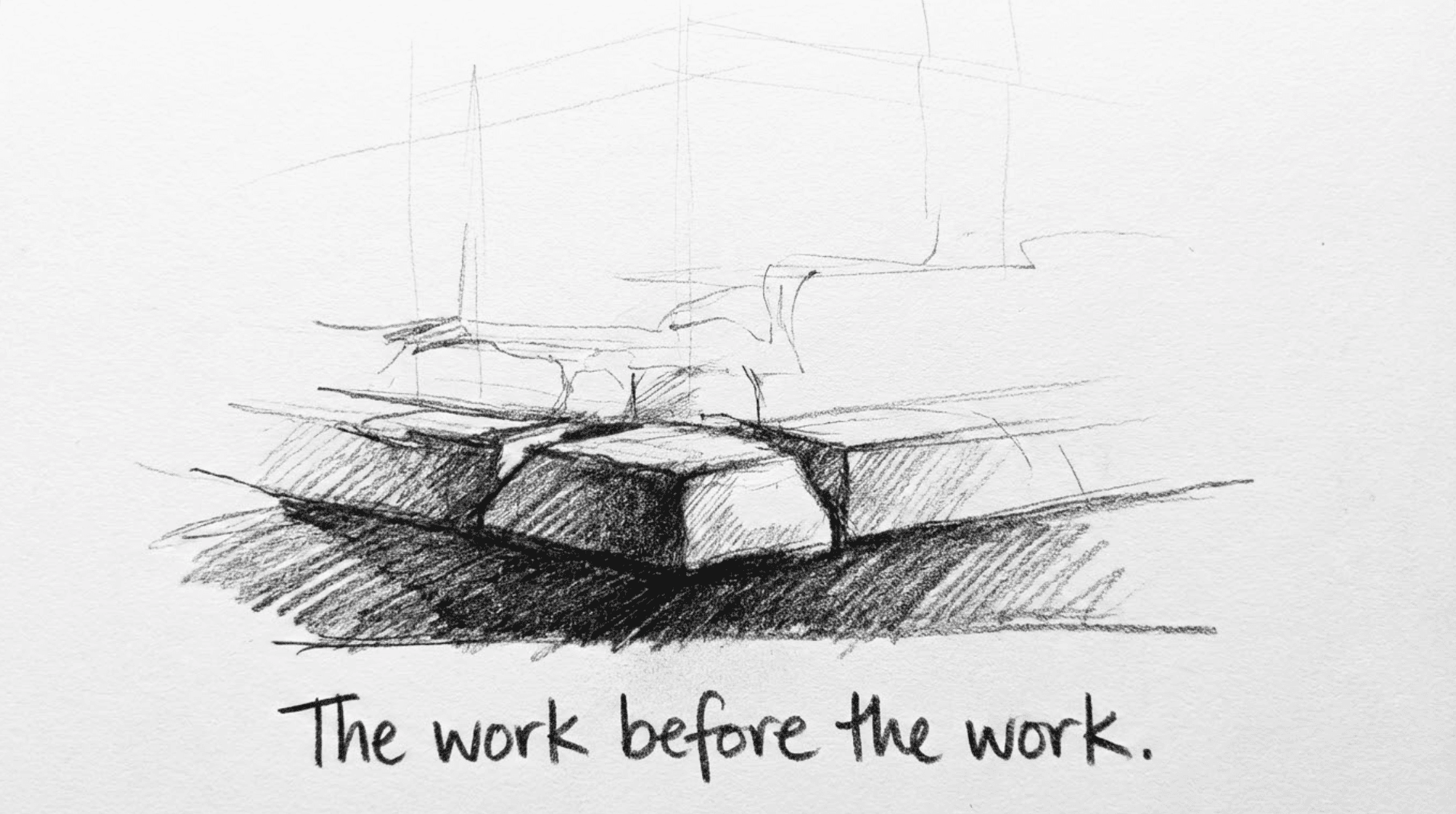
Before You Launch an AI Initiative in Manufacturing
Eight Questions Worth Answering First
All rights reserved to Data Raven Technologies

All rights reserved to Data Raven Technologies